For adults and teens in Oregon who feel stuck in anxiety, pain, shutdown, or old trauma patterns, even after talk therapy. Together, we slow things down, build safety, and work with both mind and body so healing is not just something you understand, it is something you experience. We offer in-person sessions in Medford and telehealth across Oregon.
Are you avoiding therapy because they do not want to relive everything? Or maybe you have tried talk therapy but still feel stuck? Mind-body integration gives you a way to work with what your system is holding without forcing you to recount every detail.

You have done talk therapy or inner work and still feel stuck.

Anxiety lives in your chest or stomach, even when life is “fine”.

You shut down in conflict, then feel ashamed that you could not speak.

Long-term trauma has manifested into pain throughout your body.

You dissociate, go numb, or feel disconnected from yourself.

You feel trapped in the same toxic relationship patterns.

Food, body image, or perfectionism has become stressful.
These are not signs that you are broken. They are signs your body had to adapt to a world that did not meet your needs.
Mind body integration therapy is a body-based approach to trauma therapy that focuses on nervous system regulation. We still talk. We still make meaning. We also pay attention to what is happening in your body in real time, because stress and trauma do not just live in your. thoughts. They show up in the nervous system.
In sessions, we help you understand what your system does under stress and how it escalates. We teach skills that help your body come back down, including breathing, grounding, and gentle movement. We also pay attention to patterns that quietly shape your wellbeing, like sleep, appetite, energy, and the way your body holds tension. Instead of only talking about coping, we practice regulation during session so you can actually feel the shift and take it with you.
Deeper processing comes after safety, not before. We move at a pace your system can handle, and we build tools you can use outside the therapy room so progress shows up in your day-to-day life, not just in conversation.
PTSD and trauma
Flashbacks, nightmares, hypervigilance, startle response, or feeling on edge even when you are safe.
Chronic stress and burnout
You are functional, and you are running on fumes.
Anxiety
Racing heart, tight chest, stomach drops, restless sleep, constant tension.
Sleep issues and nighttime spirals
Trouble falling asleep, waking up wired, stress dreams, or feeling exhausted no matter how much you rest.
Shutdown, numbness, and dissociation
You go blank, you disconnect, or you disappear inside yourself when things get hard.
Grief and loss
Loss can live in the body as heaviness, fatigue, irritability, numbness, or the feeling that life is not landing the way it used to.
People pleasing and over functioning
You say yes when you mean no. You manage everyone else’s emotions. You stay in control because letting go feels unsafe.
Trauma linked chronic pain or chronic illness stress
Your body is carrying more than a diagnosis can explain, and it is affecting mood, energy, and capacity.
Health habits that feel hard to sustain
You know what would help, but your system fights it. We work with the nervous system piece that makes habits feel impossible.
Body image and disordered eating patterns
Food, control, and self criticism become the place your stress lands.
Complex or developmental trauma
Old experiences shaped how you attach, trust, and protect yourself now.
Feeling blocked, stuck, or shut down inside
Some people describe this as being disconnected from themselves, unable to access emotion, or feeling like something is “stuck” in the body even when they cannot explain it. We keep this grounded and practical, focusing on nervous system safety and body awareness.

Your therapist will tailor the approach to you. Depending on your needs, therapy may include a blend of evidence-based trauma work, body-based practices, and practical supports that help change land in real life.
Mind body integration works best when we look at the full picture, not just one symptom. Stress does not stay in one lane. It shows up in your body, your emotions, your relationships, your sleep, your focus, and the way you move through daily life. When we understand what is happening across the whole system, we can build a plan that actually fits you, not a one size approach. The outcome is more clarity, more steadiness, and more progress that holds up outside the therapy room.
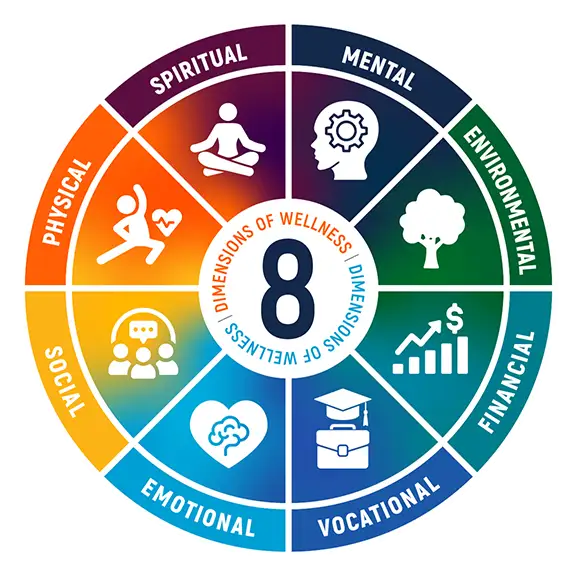
In this work, we may explore the eight dimensions of wellness: emotional, physical, spiritual, intellectual, environmental, social, occupational, and financial. You do not need to have all of this figured out. We use it as a simple way to notice what is supporting you, what is draining you, and what your nervous system has been trying to manage on its own.
Rogue Holistic Therapy was built for people who feel stuck, overwhelmed, or tired of carrying things alone, even if they cannot fully explain why. Some people come in knowing their history. Some just know their body does not feel safe, and life feels harder than it could. When it supports your goals, we may also integrate EMDR therapy as part of your work.
We take a steady, trauma informed approach that is practical and body based. We help you understand what is happening in your nervous system, and we give you tools you can use outside of therapy, not just things to talk about inside it.
We also keep a clear goal. Therapy helps move you forward. We are not here to “fix” you. We are here to support you while you build safety, strength, and real change in your day-to-day life. Providing you with tools you can use independently when ready.
Therapy that feels real, not performative.
Every part of you belongs here.
Compassionate, grounded care that protects dignity.
We are practical, body-based, and emotionally safe.
Support for a season, and movement toward independence.
Learn how stress and trauma shape the brain and nervous system, and map what causes escalation with language that feels clear and non-shaming.
Practice noticing early signs in the body, connecting sensations to emotions, and developing tools to help the system return to balance.
Using trauma methods that don’t require retelling everything, we focus on changing old reactions and building new patterns.
No. Trauma can come from single events, ongoing stress, relational wounds, medical experiences, and the things you had to carry too young.
Yes, we accept:
We also offer an income-based fee adjustment as low as $100 per session, meaning that some session spots are offered at reduced rates based on financial need and availability.
You are still welcome. We start with safety, education, and skills so you are not thrown into the deep.
Yes. Free consultations are available.
A consultation is a chance to ask questions, get a feel for our work, and see if this feels like a supportive fit for you before committing to therapy.
It can include body awareness and regulation tools, and it is still therapy. The goal is emotional and nervous system change, not performance or flexibility.
Not here. We do not require you to retell everything to heal. Your therapist will help you work with what your system can hold, at your pace.
Yes. Some clinicians are telehealth only, and some offer in person sessions. We will help you find the best fit.
We’re here to help you find the right fit for you! Please complete the simple form below and our Intake Coordinator will be in touch in 1-2 business days to answer any questions you have and book you in for a FREE consultation with the best fit therapist.
By Appointment Only
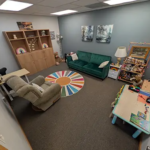
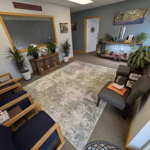
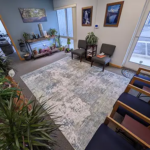
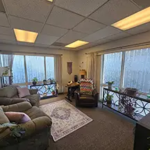
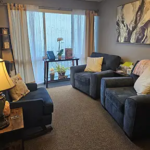
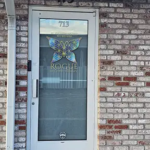
We offer both in person and virtual appointments. If you come in person, you can get settled in our waiting room until your therapist is ready for you. If you are bringing a child with you, we have a kid friendly play corner with books and toys to help them stay busy.